OnSite Employer Testing logo — on-site and mobile employer drug and alcohol testing services
Quote
Skip to main content

Services

PEth alcohol testing for employers

A specialized blood marker of ethanol exposure over weeks—not a replacement for breath alcohol when regulations or policy require current-intoxication testing.
PEth (phosphatidylethanol) is a direct metabolite of ethanol that can be measured in blood (serum or whole blood, depending on lab). It is used in some monitoring, treatment, aviation, and legal-adjacent programs to support a picture of alcohol exposure over a longer window than a breath snapshot.

Employers encounter PEth most often when a professional board, monitoring agreement, return-to-work plan, or specialized occupational health protocol—not everyday DOT post-accident alcohol rules—calls for it. We help coordinate qualified specimen collection and custody; medical and compliance interpretation stays with your clinicians, MRO, and counsel. It is not a stand-in for Breath alcohol testing when Part 40 or your policy requires evidential breath testing.

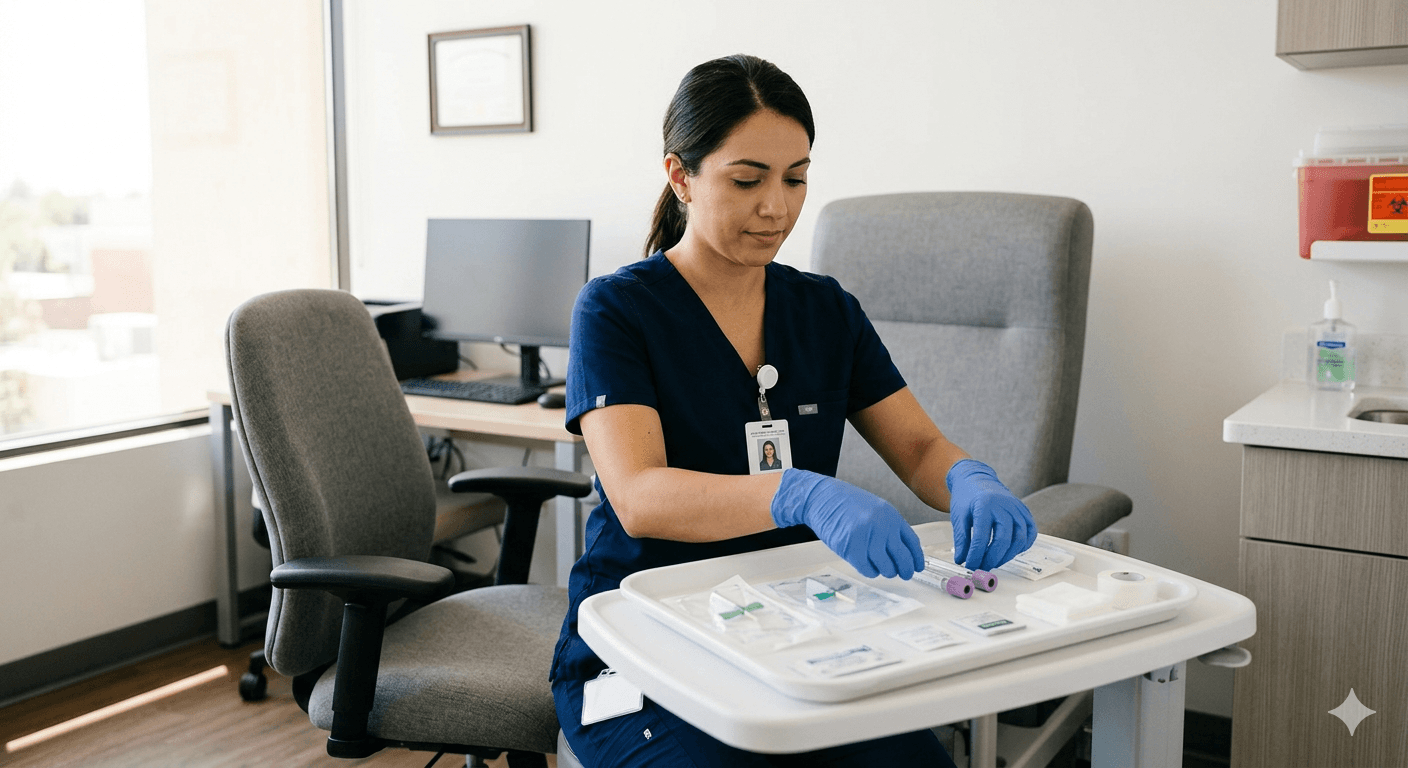
Clinical blood draw preparation for employer PEth orders: phlebotomist in scrubs and gloves arranges purple-top tubes, butterfly collection sets, gauze, and tape on a tray in a bright exam room with sharps disposal nearby—representing the venous specimen workflow for phosphatidylethanol (PEth), not a breath alcohol test.
PEth requires a blood draw routed to a qualified lab on your order; we focus on correct collection supplies, identity verification, sealed labels, and custody handoff to your courier path.

What PEth testing is

PEth testing uses a blood specimen analyzed at a laboratory equipped for the assay. It reflects ethanol exposure over a period of weeks in many interpretations—exact meaning depends on the lab report, clinical context, and how your program defines a positive or monitoring threshold.

PEth does not fulfill DOT breath alcohol testing requirements and is not interchangeable with evidential breath testing for regulated alcohol tests unless your qualified advisors document a specific, approved pathway—which is uncommon for standard FMCSA-style programs.

When employers and programs typically use PEth

Monitoring agreements for licensed professionals, aviation or other safety programs where specialized medical oversight defines the panel, some return-to-duty or aftercare plans written with occupational health, and select legal or HR escalations where counsel has authorized blood-based markers.

PEth is situational. If your only goal is same-day alcohol screening after an incident or DOT reasonable suspicion alcohol testing, breath alcohol testing is usually the correct modality—confirm with your DER and counsel.

Why coordinated on-site or concierge-style draws help

Blood draws require phlebotomy skill, privacy, and sometimes fasting or scheduling rules from the lab. Coordinating a collector or mobile phlebotomy visit reduces employee friction and keeps the chain of custody intact from vein to courier.

For sensitive roles, on-site staging lets HR manage discretion and avoid public clinic queues when policy allows collection at the employer location.

How PEth collections work at a high level

You provide the lab order, panel name, and any kit or shipping requirements from your administrator. We schedule the draw, verify identity, collect blood per protocol, label specimens, and hand off to the courier or processing path your lab specifies.

Turnaround and result routing follow the lab and MRO—employers should not treat PEth as an instant field screen.

Who orders PEth versus who collects it

Physicians, occupational health, monitoring programs, or counsel-driven directives typically originate the lab order. HR operationalizes scheduling and donor communication; we execute phlebotomy and custody. No one should substitute PEth for a BAT order without written program alignment.

Timeline and logistics expectations

Draws may require fasting, appointment windows, or specific tube types—follow the requisition exactly. Employers should plan discreet staging and escort rules the same way they would for any visible medical visit on site.

Results are not real-time; build internal communications so supervisors do not treat PEth like a roadside screen.

Employer contexts where PEth appears

Aviation medical programs, health-system peer assistance, executive health escalations, and employers supporting employees under formal monitoring contracts. General industry rarely uses PEth for routine random alcohol testing compared with BAT.

How PEth relates to DOT and non-DOT alcohol rules

DOT alcohol tests for covered employees are governed by Part 40 and use breath or saliva procedures as defined—not PEth as a stand-in. If you are managing DOT-covered staff, route alcohol testing decisions through your DER and qualified compliance resources.

Non-DOT employers might use PEth only when policy and medical oversight explicitly allow blood-based alcohol markers. Keep BAT or policy-approved breath workflows separate unless counsel merges them intentionally in writing.

Common questions

Can PEth replace a post-accident breath test?

Generally no for DOT-regulated alcohol testing, and usually no for same-day incident alcohol screens. Post-accident alcohol decisions should follow your policy and applicable regulations—often BAT.

How far back does PEth look?

Laboratories and clinicians describe weeks-scale windows; exact interpretation belongs to your medical reviewer or program rules, not to the collector.

Do you interpret results or make fitness-for-duty calls?

No. We execute collection and custody. MROs, occupational health, and counsel determine meaning and employment actions.

Request a quote for this program

Share DOT or non-DOT context, sites, headcount, and timelines. We confirm logistics, specimen type, and documentation expectations with your DER or TPA before collection day.