Services
Employer Blood Testing & On-Site Blood Draw Coordination
Employer blood testing can support occupational health programs, workforce wellness screening, onboarding requirements, immunity/titer checks, PEth alcohol testing, and specialized lab panels. OnSite Employer Testing helps employers coordinate blood draw logistics through appropriate collection and lab processes based on the ordered test, location, timing, and specimen requirements.
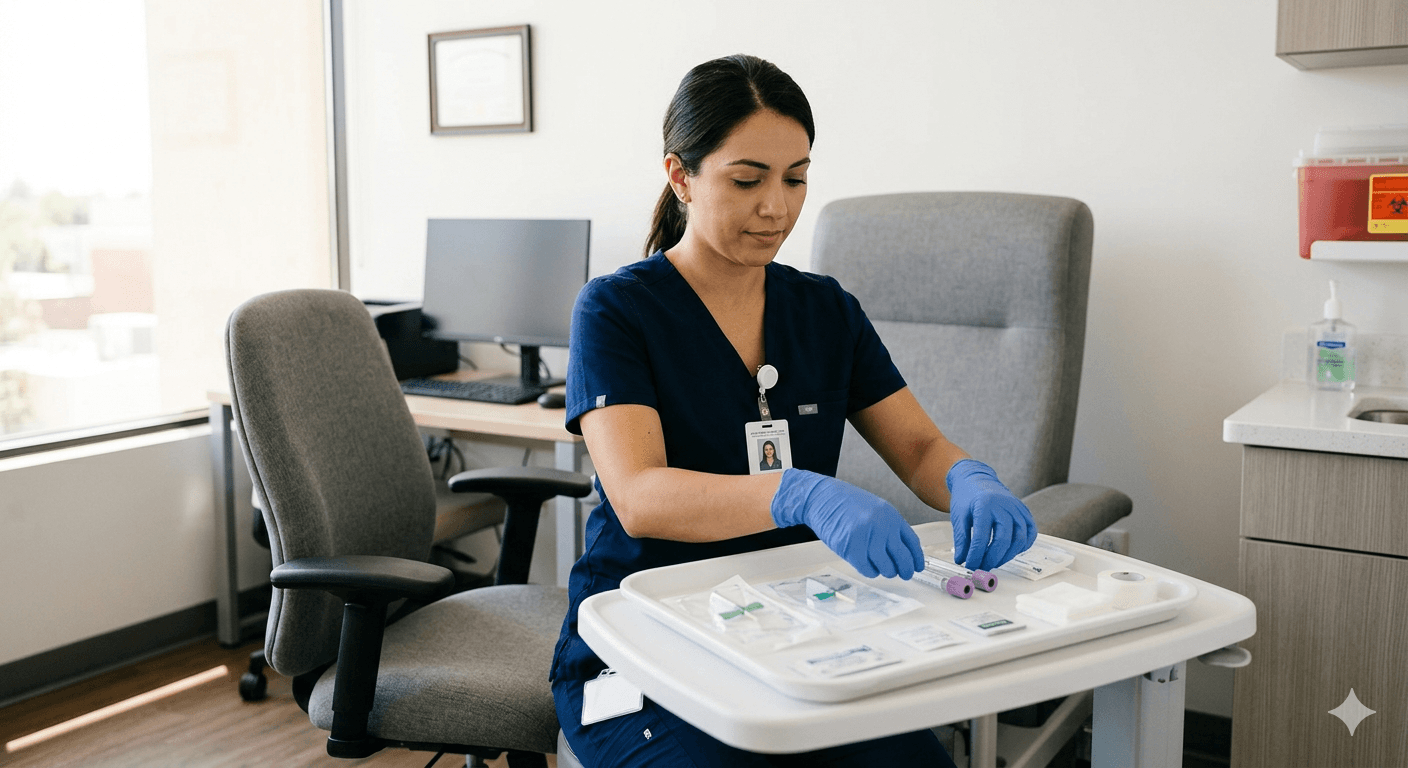
Blood Testing Support for Employers
Employer-focused blood testing support helps HR, occupational health, and program administrators coordinate blood draws for workforce health—not ad hoc clinic referrals for every employee. Testing is performed through appropriate lab and collection workflows based on the ordered panel.
Common uses include PEth alcohol testing, onboarding labs, annual employee health screening, immunity documentation, occupational health bloodwork, and specialized employer wellness or executive health panels. Availability depends on location, timing, test type, specimen requirements, and scheduling needs—we confirm feasibility during intake rather than promising same-day service everywhere.
We coordinate mobile or on-site blood draw coordination when the order, site, and staffing support it. We do not diagnose, treat, or replace medical advice—result interpretation stays with the employer's clinical, wellness, or occupational health program.
PEth (Phosphatidylethanol) Alcohol Testing
PEth (phosphatidylethanol) is a highly accurate blood test that detects recent alcohol consumption. By measuring a direct alcohol biomarker in red blood cells, it can identify moderate to heavy drinking dating back two to four weeks, though the window can be longer for chronic use.
Employers and monitoring programs sometimes order PEth when a blood-based alcohol marker fits the program design—not as a same-day intoxication screen and not as a substitute for breath alcohol testing when BAT is the required method.
Blood-based alcohol marker measured from a venous draw
Useful for physician-directed, monitoring, or occupational-health contexts when authorized
Results are not immediate and interpretation belongs to the medical or monitoring program
Not standard DOT post-accident or field-intoxication alcohol testing
For program boundaries, timing expectations, and when PEth is the wrong fit, see PEth alcohol testing. When Part 40 or your policy requires evidential breath testing, use breath alcohol testing instead.
Occupational Health Bloodwork
Occupational health bloodwork covers employer-directed labs tied to job-readiness, clinical clearance, compliance-adjacent programs, or other workflows your medical partner defines—not a retail walk-in menu we invent on site.
Employer-directed bloodwork for occupational health workflows
Job-readiness or program-specific lab requirements
Blood draws coordinated based on the employer or lab order
Useful when employers need a clean collection process instead of sending employees randomly to a clinic
For TB Gold, titers, and institutional onboarding cohorts, see occupational health titers and TB testing. For a grouped overview, see occupational health services.
Employee Wellness and Longevity Panels
Employee wellness panels and workforce health programs may include labs such as:
CBC
CMP
Lipid panel / cholesterol
A1c / glucose
Thyroid screening
Liver and kidney markers
Vitamin D or B12 when ordered
Hormone or longevity-focused markers when appropriate
Only list tests that appear on the authorized order or wellness vendor manifest. Scheduled wellness events may overlap with employee biometric and wellness screenings when your program design calls for onsite blood draws.
Longevity, Executive, and Workforce Health Panels
Some employers run annual or executive health programs that bundle metabolic, cardiovascular, inflammation, hormone-related, or nutritional markers. Examples employers may request when authorized include:
Metabolic health markers
Inflammation markers
Cardiovascular risk markers
Hormone-related panels
Nutritional markers
Annual employee wellness screening components
Panel scope, fasting rules, and clinical meaning come from the lab file and your program's medical oversight—not from field collection staff.
Titer, Immunity, and TB Blood Testing
Immunity and titer testing supports healthcare, school, staffing, and employer onboarding requirements. Depending on the requisition, an event may include:
MMR titers
Varicella titer
Hepatitis B titer
TB blood testing / QuantiFERON-style blood test when ordered
We handle collection logistics and specimen handling; clinical clearance and result review stay with your employee health or infection-control team.
Mobile and On-Site Blood Draw Coordination
Some employer blood testing can be coordinated at the workplace, job site, office, or local collection location depending on test type, location, timing, collection requirements, and lab logistics.
Mobile or on-site blood draw coordination works best when the employer provides a private room, participant count, fasting instructions where required, and a clear check-in process. Share access, PPE, and site safety notes during intake so collectors arrive prepared.
Field scheduling patterns often mirror mobile drug testing discipline—even though this page is about bloodwork and wellness labs, not routine workplace drug screens.
What Employers Should Include in a Quote Request
A useful quote request usually includes:
Panel name or requisition details
Service addresses
Approximate number of employees or donors
Preferred dates or timing windows
On-site versus local collection preference
Fasting or prep requirements
Lab routing or wellness vendor instructions
Single contact for scheduling questions
Blood Testing vs Drug Testing
Blood testing on this page refers mainly to employer-requested bloodwork, PEth alcohol testing when ordered, wellness panels, titers, occupational health labs, and specialized panels. Routine workplace drug and alcohol screening is usually handled through urine, oral fluid, hair, breath alcohol, or other program-specific testing services.
Workplace drug and alcohol programs typically route through DOT drug testing, non-DOT drug testing, breath alcohol testing, and related modality pages.
Related reading
Common questions
What is employer blood testing?
Employer blood testing is coordinated venous blood collection for workforce health, occupational health, wellness, immunity, PEth alcohol testing when authorized, or other specialized lab orders—executed through appropriate lab and collection workflows based on the ordered panel.
When do employers use blood testing?
Common triggers include PEth alcohol monitoring orders, onboarding labs, annual screening, titer documentation, wellness program events, occupational health bloodwork, and executive or longevity panel days.
What is PEth testing?
PEth (phosphatidylethanol) is a blood test that measures a direct alcohol biomarker in red blood cells. It can reflect moderate to heavy drinking over roughly two to four weeks, with a longer window possible for chronic use. See PEth alcohol testing for when it fits employer programs.
Can blood draws be done on-site?
Sometimes. Availability depends on location, timing, test type, specimen requirements, and scheduling needs. Share site details during intake for a realistic answer.
What information is needed to request a quote?
Panel or requisition details, addresses, donor count, timing, on-site versus local collection preference, and lab or vendor routing instructions. Use request a quote or contact us to start.
How is this different from drug testing?
This page focuses on employer bloodwork, PEth when ordered, wellness, titers, and occupational health labs. Routine workplace drug and alcohol testing is usually handled through other services such as mobile drug testing and modality-specific pages.
Request employer blood testing support
Tell us the panel, location, number of employees, timing, and whether collection is needed on-site or at a local collection point.